Navigating Team Communication for Stress-Free Career Planning
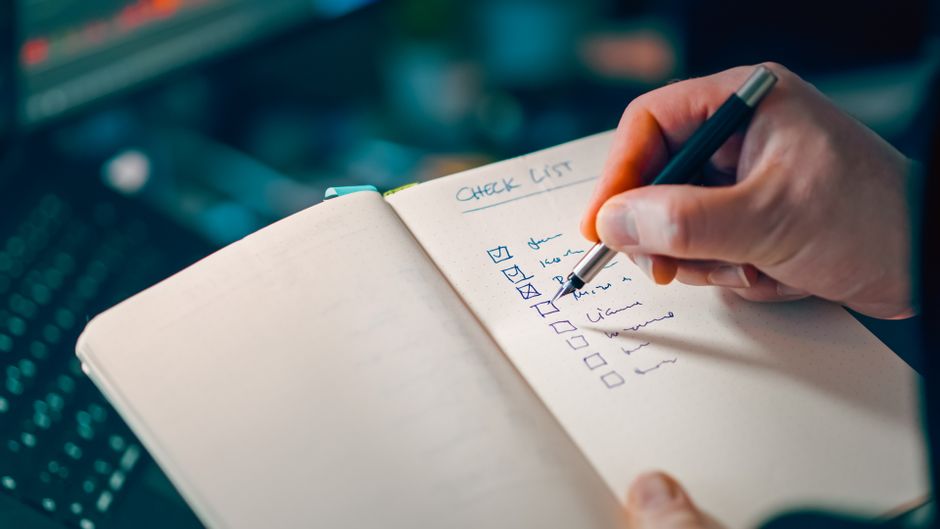
As the sun begins to rise, the kitchen table is cluttered with a coffee mug, a notebook, and an open calendar app on a laptop. It’s the early morning before the first work block, and the team member scans the day’s tasks. A quick glance reveals a meeting scheduled for later, but the deck is still closed ten minutes before the call. The pressure to prepare is palpable, yet the notes from previous discussions are scattered across various platforms, making it hard to find the right information quickly.
With a task list in hand, the instinct is to dive into email drafts and respond to messages that have piled up overnight. However, without checking the calendar first, important follow-ups can slip through the cracks. This routine often leads to a chaotic workflow, where critical information gets lost in the shuffle, leaving team communication fragmented. The missed step of organizing handoff notes into a single working document can create unnecessary stress, complicating what should be a straightforward planning process.
The First Step That Gets Skipped
The cluttered kitchen table is a familiar scene: a coffee mug half-full, a task list sprawled out, and a calendar event pane glowing softly on the laptop screen. As the morning light filters through the window, the instinct is to dive into the day’s tasks. The meeting deck is still closed, and there’s a nagging feeling that important follow-ups are lurking in the shadows of unread emails. This setup seems reasonable at first, but it leads to a reactive approach that often complicates team communication.
Without checking the calendar first, the tendency is to jump straight into emails, responding to whatever pops up. This can quickly spiral into a flurry of tasks that feel urgent but may not align with the day’s priorities. The scattered handoff notes from previous discussions live in too many places, making it hard to pull together coherent insights for the upcoming call. Instead of organizing these notes into a single working document pinned at the top of the screen, the team member ends up chasing down bits of information, creating unnecessary stress. A simple adjustment, like taking a moment to review the calendar before opening the inbox, could streamline the workflow and ensure that critical communication isn’t lost in the shuffle.
Where the Default Method Falls Short
This same friction shows up again in Balancing Work And Life, especially when the day tightens unexpectedly.
Early mornings at the kitchen table, coffee mug in hand, often begin with a quick glance at the calendar. However, without a clear plan, the instinct to dive straight into emails can lead to chaos. Team communication spills over into the inbox, creating a distraction that derails focus before the first work block even starts. When the deck is still closed ten minutes before the call, it becomes evident that the scattered handoff notes from previous discussions are living in too many places. This setup, while seemingly efficient, quickly morphs into a reactive scramble for information.
In a remote work environment, this confusion is amplified. Without a single working document pinned at the top of the screen, follow-ups and critical insights get lost among multiple platforms. The intention to stay organized falters under pressure, as the team member finds themselves chasing down bits of information instead of having everything neatly compiled. A simple shift, such as reviewing the calendar and prioritizing tasks before opening the email, could help maintain clarity and reduce the stress of communication overload. This small adjustment not only streamlines workflow but also ensures that essential details are front and center, ready for the meeting ahead.
A Better Way to Approach Team Communication
A slightly different version of this problem appears in Writing Clearly At Work, where the sequence changes but the hidden drag feels familiar.
At the kitchen table, the early morning light streams in as a team member sips coffee from a favorite mug, glancing at the calendar event pane on their laptop. The day is set to kick off with a crucial meeting, yet the deck remains closed ten minutes before the call. Instead of diving straight into emails, they take a moment to pin a single working document at the top of their screen. This simple action transforms their approach, allowing them to have all relevant notes and updates consolidated in one place, reducing the frantic search for information.
In contrast to the usual routine of sifting through a cluttered inbox, this team member decides to utilize a dedicated channel for team updates. By minimizing email clutter, they create a streamlined flow of information that keeps everyone on the same page. The difference is palpable; instead of feeling overwhelmed by scattered handoff notes, they can quickly reference the pinned document, ensuring that essential details are ready for discussion. This structured setup not only enhances their workflow but also fosters clearer communication, allowing them to engage more effectively during the meeting. The next logical step? Committing to this adjusted routine before each workday begins, ensuring that stress remains at bay. What to Check Before the Phone Takes Over As the morning light filters through the kitchen window, the coffee mug sits beside a neatly arranged task list. Before diving into the day’s work, it’s crucial to assess how communication can either streamline or complicate the workflow. This moment of reflection can prevent the usual email chaos from creeping in.
- Less email clutter: By pinning a dedicated working document for team updates, you minimize the distractions of a flooded inbox. However, this requires discipline to keep the document current and accessible.
- Increased clarity in communication: A single source for updates enhances understanding among team members. Yet, setting this up initially may consume more time than simply replying to emails.
- Gives up spontaneity: The shift to a structured communication method can reduce the informal exchanges that often spark creativity. Still, the tradeoff is worth it when clarity and efficiency take precedence during busy workdays.
Before the first meeting, check the calendar event pane to ensure the working document is pinned and ready. This small adjustment can transform how information flows during discussions, allowing for quicker referencing and less frantic searching. While the initial setup may feel cumbersome, the long-term benefits of reduced email clutter and clearer communication can significantly ease stress during the workday.
When the Alternative Fits Best
On meeting days, the pressure to keep track of follow-ups can easily overshadow planned tasks. Picture your kitchen table cluttered with coffee mugs, a notebook filled with scribbled notes, and your laptop open to a chaotic email inbox. This is where a structured approach to communication shines. Instead of letting important details slip through the cracks, consider setting up a dedicated working document that you can reference during discussions.
Before diving into your first work block, take a moment to check your calendar event pane. Ensure that the working document is pinned at the top of your screen, ready for quick access. This simple act can significantly streamline your workflow. When your team discusses action items, having a single source of truth minimizes the risk of follow-ups getting lost in email threads. You’ll find that you can respond to questions on the spot, reducing the frantic searching that often occurs when you rely solely on emails.
For those who often feel overwhelmed by reactive work, this setup can be transformative. Instead of reacting to emails as they come in, you can focus on your agenda. However, remember that this approach requires discipline to maintain. If you neglect to update the document, it can quickly become outdated, leading to confusion during meetings. Balancing the need for spontaneity with a structured communication method is key, especially when the stakes are high on busy workdays.
As you sit at your kitchen table with your coffee mug in hand, take a moment to glance at your calendar before diving into your email. This simple check can help you prioritize your day effectively, ensuring that important meetings and deadlines don’t slip through the cracks. When you open your email, resist the urge to respond immediately. Instead, focus on the tasks outlined in your working document, which should be pinned at the top of your screen. This way, you can address follow-ups and action items directly from a single source, reducing the chance of miscommunication.
Remember, the deck is still closed ten minutes before the call, and that’s okay. Use that time to review your notes and prepare your thoughts. By establishing this routine, you create a smoother workflow that minimizes stress and enhances team communication. The next time you sit down to work, make checking your calendar a non-negotiable first step, and watch how it transforms your approach to career planning without the chaos.


