Why Good Intentions Around Career Planning Fail in Remote Work
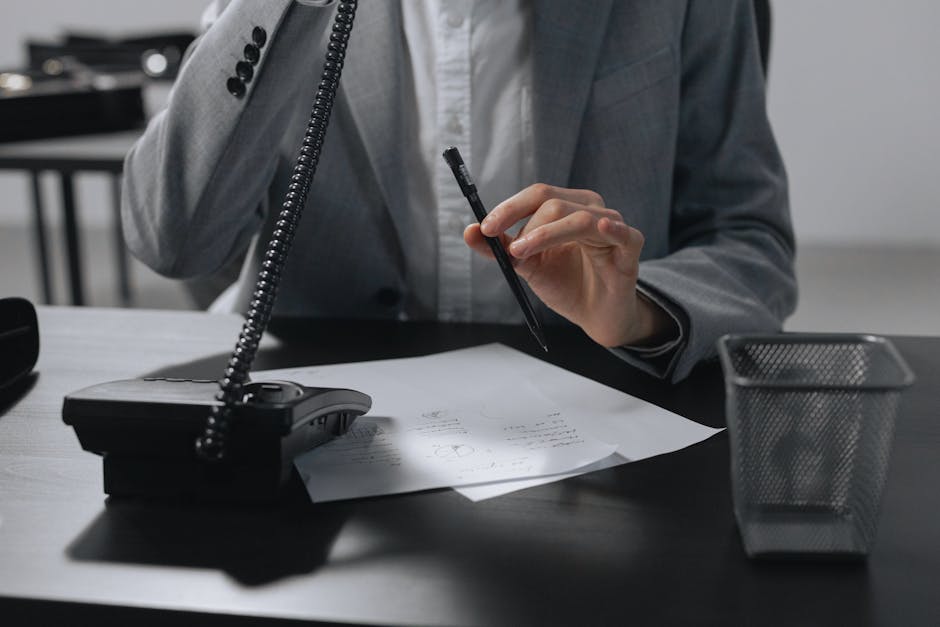
It's early morning at the kitchen table, and the coffee mug sits beside a neatly arranged notebook and a task list. The calendar event pane on the laptop screen highlights the first meeting of the day, but the agenda check is still pending. With the deck still closed ten minutes before the call, there’s a nagging feeling that important details might slip through the cracks. As the minutes tick by, the urge to dive into emails or scroll through messages grows stronger, threatening to derail the focus needed for effective career planning.
Skipping the agenda check can create a ripple effect throughout the day. Without confirming what needs to be addressed in the meeting, follow-ups may get lost in the shuffle, leading to missed opportunities for professional communication. The task list remains half-complete, and the workflow planning for the week becomes increasingly chaotic. This small oversight can amplify stress, making it harder to maintain clarity in career goals amid the distractions of remote work.
The Morning Routine: Where Focus Fades
The cluttered kitchen table is a familiar sight on remote work mornings, with a half-full coffee mug sitting next to a well-worn notebook and an open laptop. As the sun begins to filter through the window, the team member takes a moment to scan the task list, mentally preparing for the day's meetings. The calendar event pane on the laptop screen highlights the first meeting of the day, yet the agenda check remains unchecked, leaving a nagging doubt about what might be overlooked.
With only ten minutes before the call, the urge to dive into emails or review messages grows stronger, threatening to distract from the critical preparations. The deck is still closed, and the absence of a clear agenda could lead to missed follow-ups and unclear communication. A quick glance at the task list reveals that one follow-up has already been captured, but without confirming the agenda, the risk of losing track of essential points looms large. This small oversight can set a chaotic tone for the day, amplifying stress and complicating career planning as the team member navigates through the distractions of remote work.
The Agenda Check: A Missed Step
If this pattern keeps repeating, Balancing Work And Life extends the idea without leaving the niche.
Early morning at the kitchen table, the coffee mug sits beside a notebook, and the laptop screen displays an upcoming meeting. With only ten minutes left before the call, the team member's focus shifts, but the agenda check is still unchecked in the calendar event pane. This moment often slips away under the pressure of time, leading to a cascade of disorganization.
The deck remains closed, untouched, as the clock ticks down. Without confirming what needs to be discussed, the risk of missing key points escalates. A glance at the task list reveals one follow-up captured, but without the agenda, it’s easy to forget critical details that might affect the team's workflow. This oversight creates a sense of urgency that can derail the entire meeting, leaving the team member scrambling to catch up.
To mitigate this friction, a simple adjustment can be made: open the agenda a few minutes prior to the meeting. This small action allows for a quick review of the topics at hand, ensuring that nothing essential is overlooked. By prioritizing this step, the team member can enter the meeting feeling grounded and prepared, rather than reactive and stressed. Missing this check may seem minor, but it can set a disorganized tone for the day, complicating career planning efforts and impacting professional communication.
Why the Preparation Step Gets Overlooked
This same friction shows up again in Writing Clearly At Work, especially when the day tightens unexpectedly.
As the early morning light filters through the kitchen window, the coffee mug sits steaming beside a cluttered notebook and an open task list. The calendar event pane on the laptop screen shows a meeting scheduled to start in just ten minutes, but the agenda remains untouched. This moment is crucial; yet, distractions often creep in, derailing the preparation that is essential for effective remote work.
- Notifications from messaging apps ping incessantly, pulling attention away from the task at hand and making it easy to lose track of time.
- The temptation to check emails before the meeting often leads to a rabbit hole of responses and updates, which can further delay the agenda review.
- Rushing to start the day without a clear plan leaves little room for the necessary preparation, resulting in missed details that can impact the meeting's effectiveness.
Even with the best intentions, these distractions can create a hidden tradeoff: the need to feel connected versus the need to be prepared. When the agenda check gets skipped, it can lead to a chaotic meeting atmosphere, where important topics are glossed over. A quick glance at the task list reveals one follow-up captured, but without that agenda, the team member risks entering the meeting feeling unprepared. Making a habit of opening the agenda a few minutes before the meeting can help mitigate this friction, ensuring a smoother workflow and better professional communication.
A Simple Adjustment: Confirming the Agenda
Before diving into the day's tasks, I often find myself sitting at my kitchen table, coffee mug in hand, mentally preparing for the meetings ahead. The calendar event pane on my laptop shows a packed schedule, but I realize that I haven't checked the agenda for the first call. Without this crucial step, I risk entering the meeting without a clear focus, which can lead to unnecessary stress and disorganization.
Setting a reminder to check the agenda at least 15 minutes before each meeting has become a game changer. This simple adjustment allows me to open the agenda and jot down key discussion points in my dedicated notebook. I can easily glance at my task list to ensure that one follow-up is captured, but without the agenda, I might overlook important topics. Just this morning, I opened the agenda only ten minutes before the call, and the deck was still closed. I felt the pressure mount as I scrambled to gather my thoughts.
By making it a habit to confirm the agenda before each meeting, I streamline my workflow and improve my professional communication. This small sequence change—checking the agenda first—sets the tone for a more organized meeting day. It’s a straightforward yet effective way to reduce stress and enhance clarity in my remote work routine.
How This Change Affects the Next Work Block
With my coffee mug steaming beside my laptop, I find that confirming the agenda before each meeting significantly sharpens my focus. The morning light filters through the window as I sit at my kitchen table, ready to tackle the day. I glance at my calendar event pane, where I see the meeting listed just 30 minutes away. I take a moment to open the agenda on my screen and jot down the key points in my notebook. This simple act of preparation transforms the way I approach the upcoming discussion.
When I capture follow-ups directly in my task list during this prep time, they no longer vanish into the ether of my busy mind. For instance, I noticed that last week, I forgot to note a crucial action item because I hadn't checked the agenda beforehand. That oversight led to confusion later in the week. Now, by integrating this small routine, I ensure that I’m not just present in the meeting but actively engaged, with clear notes in front of me.
As I close my notebook and prepare to switch to the meeting interface, I feel a sense of readiness that I didn’t have before. This adjustment not only streamlines my workflow but also reduces the stress that comes from scrambling to remember important points. The desk setup, with everything in its place and the agenda open, sets a tone of professionalism that carries through to the next work block. I’m not just reacting to the meeting; I’m prepared to contribute meaningfully, which makes all the difference.
As I wrap up my morning routine, the importance of confirming the agenda for each meeting stands out. Without that simple check, I risk entering discussions unprepared, which can lead to missed opportunities and increased stress. The calendar event pane on my screen serves as a reminder; I can quickly glance at it and ensure I have all necessary documents ready, including the email draft I started last night. This small action not only helps me stay organized but also sets a professional tone for the day.
Next time I sit down at my kitchen table, I’ll make it a priority to open the agenda before diving into tasks. That way, I can capture any follow-ups directly in my task list, preventing them from slipping through the cracks. This adjustment in my workflow planning makes a noticeable difference in how I approach my workday, allowing me to focus on my career goals without the stress of forgotten details.


