Streamlining Career Planning: A Tension-Free Approach
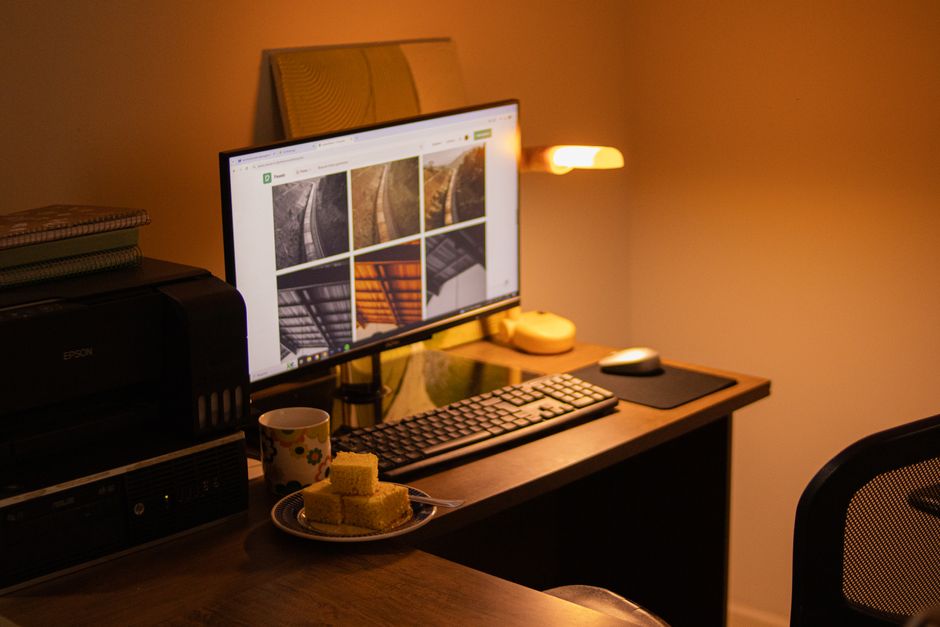
It's early morning, and the coffee mug sits steaming beside a cluttered notebook on the kitchen table. The first work tasks await, but the deck for the 9 AM meeting is still closed, ten minutes before the call. Scanning through the task list, the worker's mind races with thoughts of handoff notes scattered across different documents. Each note is a potential distraction, pulling focus away from the immediate preparation needed to ensure a smooth start to the day.
Opening the working document first can set the tone for the entire morning. By prioritizing this simple action, the worker can visualize what needs to be communicated, rather than letting the email drafts and calendar alerts dictate the flow. This small adjustment not only clears the mental clutter but also creates a direct path to reviewing the meeting agenda. Capturing one follow-up in the task list before diving into distractions can further streamline the process, reducing the risk of overlooking key points during the call.
The Morning Routine That Often Falters
At the kitchen table, the laptop glows softly in the early morning light, a coffee mug steaming beside it. The worker takes a moment to breathe, but as soon as the screen lights up, the email notifications start chiming in. Each ping pulls attention away from the task at hand, which is to prepare for the 9 AM meeting. The task list is open, but the deck for the meeting remains stubbornly closed, sitting there as a reminder of the impending deadline.
With only ten minutes left before the call, the worker knows that opening the working document should be the first step. Instead, the urge to check emails lingers, creating a mental tug-of-war. Scanning through the task list, the worker decides to jot down one follow-up item that needs addressing during the meeting. This simple act of capturing a task helps to refocus, yet the distraction of scattered handoff notes still looms. The challenge remains: how to clear the clutter and ensure that the meeting starts smoothly without letting the email draft dictate the morning's flow.
A Common Friction Point in Workflow
A slightly different version of this problem appears in Balancing Work And Life, where the sequence changes but the hidden drag feels familiar.
At the kitchen table, the coffee mug sits beside a cluttered notebook and an open task list, but the first action often taken is to check email. This choice, seemingly minor, leads to a cascade of distractions. Notifications pop up, and within minutes, the focus shifts from preparing for the 9 AM meeting to responding to queries that could wait. The deck remains closed, a silent witness to the impending deadline, while the task list grows longer with each email response.
With only a few minutes left before the call, the worker realizes that the scattered handoff notes are stored across multiple platforms: a few in the email thread, others in a messaging app, and some scribbled in the notebook. This disorganization creates a sense of overwhelm, making it difficult to prioritize what needs to be addressed during the meeting. The immediate consequence is a delay in preparation; instead of reviewing the deck, the worker is now racing against the clock, trying to piece together fragmented notes.
To counter this, opening the working document first can streamline the process. By making it a habit to prioritize document prep over email, the worker can focus on the meeting content directly. An effective strategy is to jot down one key follow-up item on the task list before diving into emails. This small adjustment not only captures essential points but also helps refocus attention on the meeting itself rather than getting lost in the email abyss.
Adjusting the Sequence: A Simple Checklist
If this pattern keeps repeating, Writing Clearly At Work extends the idea without leaving the niche.
Before the first meeting of the day, the home desk is often cluttered with a coffee mug, a notebook, and a task list. Amid the chaos, it’s easy to get pulled into checking emails first, but this can lead to a frantic scramble when trying to prepare for the call. Instead, opening the working document right away sets a focused tone. This allows the worker to directly engage with the meeting content, ensuring that any critical points are front and center. The deck, often still closed ten minutes before the call, becomes a source of stress when it should be a tool for clarity.
After the document is open, it’s crucial to capture any follow-up tasks immediately in the task list. This simple act prevents important notes from slipping through the cracks while navigating through emails. Without this step, good intentions to remember key points can easily fade, leaving the worker scrambling for a pen or trying to recall details mid-meeting. The hidden tradeoff here is that while checking emails might feel productive, it often distracts from the real preparation needed, leading to a less effective meeting. By sticking to this sequence, the worker can reduce stress and enhance focus, making the morning routine a more manageable part of the workflow.
What to Check Before the First Meeting
As the morning light filters through the kitchen window, the coffee mug sits beside a cluttered notebook filled with scattered notes. Before diving into emails, take a moment to consolidate all meeting notes into a single document. This simple act can save time and reduce stress by ensuring that nothing is overlooked during the call.
- Open the presentation deck at least ten minutes before the meeting starts.
- Check that all relevant notes are in one place, ideally on a single page or document.
- Capture any follow-up tasks immediately in your task list after reviewing the meeting notes.
By opening the deck first, you can visually align your thoughts with the content, making it easier to reference key points during the discussion. This shift in sequence helps prevent the deck from remaining closed until the last minute, which often leads to panic and disorganization. With everything ready, you can focus on the conversation rather than scrambling to find your notes or remembering what to address.
Before and After: The Impact of a Small Shift
Opening the meeting document first can drastically change how you feel before a call. Instead of rushing to find scattered notes or scrambling to open the presentation deck just minutes before the meeting, you can sit with your coffee mug in hand, reviewing your notes on the kitchen table. This early morning ritual allows you to consolidate thoughts and ensures that all relevant information is in one place, reducing the anxiety that comes with disorganization.
Once the document is open, you can focus on the meeting agenda without the nagging urge to check your email. This shift in sequence allows for a smoother workflow: after reviewing your notes, you can check emails without urgency, knowing you’re set for the call. A quick glance at your task list to capture any follow-up items right after the meeting keeps everything organized, ensuring you don’t miss important actions. By prioritizing the document prep, you create a more intentional start to your workday, setting a tone of readiness rather than chaos.
Carrying the Adjustment Forward Throughout the Day
After that morning adjustment of opening the working document first, the benefits ripple throughout the day. With the meeting notes page already in front of you, the transition to your next task feels less jarring. Instead of diving into emails right away, you can take a moment to reflect on any follow-up actions captured during the call. This simple act of jotting down notes in your notebook ensures nothing slips through the cracks and maintains a clearer task list.
When the meeting concludes, the workflow remains seamless. You can quickly reference your notes to identify what needs immediate attention without the stress of scrambling to remember details. Team communication becomes more effective as you can address outstanding items right after the meeting, rather than letting them linger. This proactive approach not only enhances clarity but also fosters a sense of control over your responsibilities. The adjustment in your morning routine, while small, sets a tone of readiness that influences how you handle tasks throughout the day.
As you settle into your workspace, take a moment to open your meeting notes page before diving into emails. This small adjustment allows you to have your key points and follow-ups front and center, ensuring you’re not scrambling for information when the call begins. By prioritizing this document, you create a smoother transition into your first meeting, reducing the stress that often accompanies last-minute prep.
After the meeting, make it a habit to capture any follow-up tasks directly into your task list. This simple act keeps your workflow organized and prevents important actions from getting lost in the shuffle. Each morning, as you prepare for the day, remember that these small checks can significantly ease your career planning process, making it more manageable and less stressful.


